Why the Cheapest Building Proposal May Cost You the Most
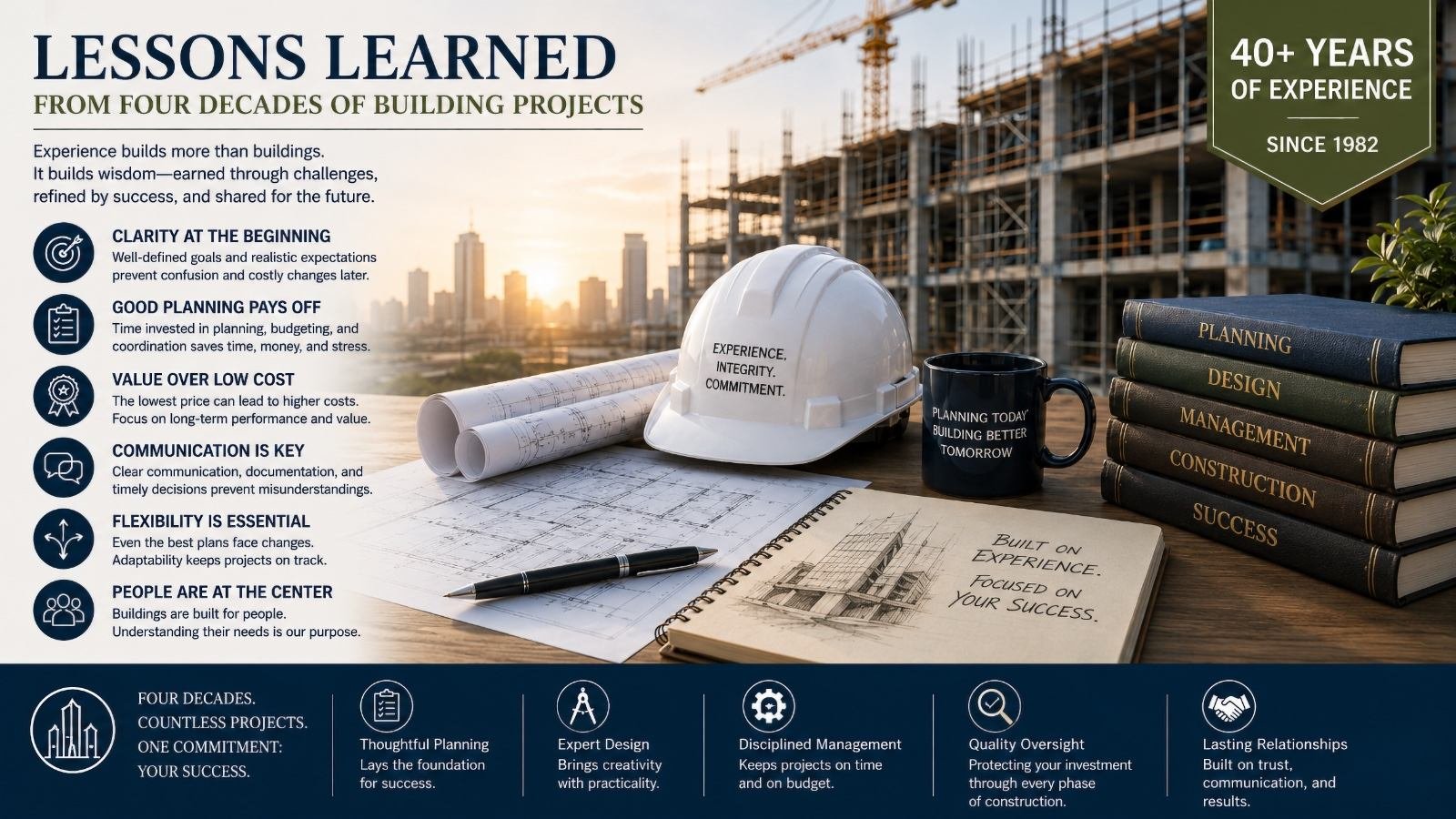
Since establishing RG Chan & Associates in 1982, I have participated in projects of varying sizes and complexities. While every project is unique, one lesson has remained remarkably consistent throughout the years: problems encountered during construction are often symptoms of inadequate planning that occurred long before the first shovel touched the ground.
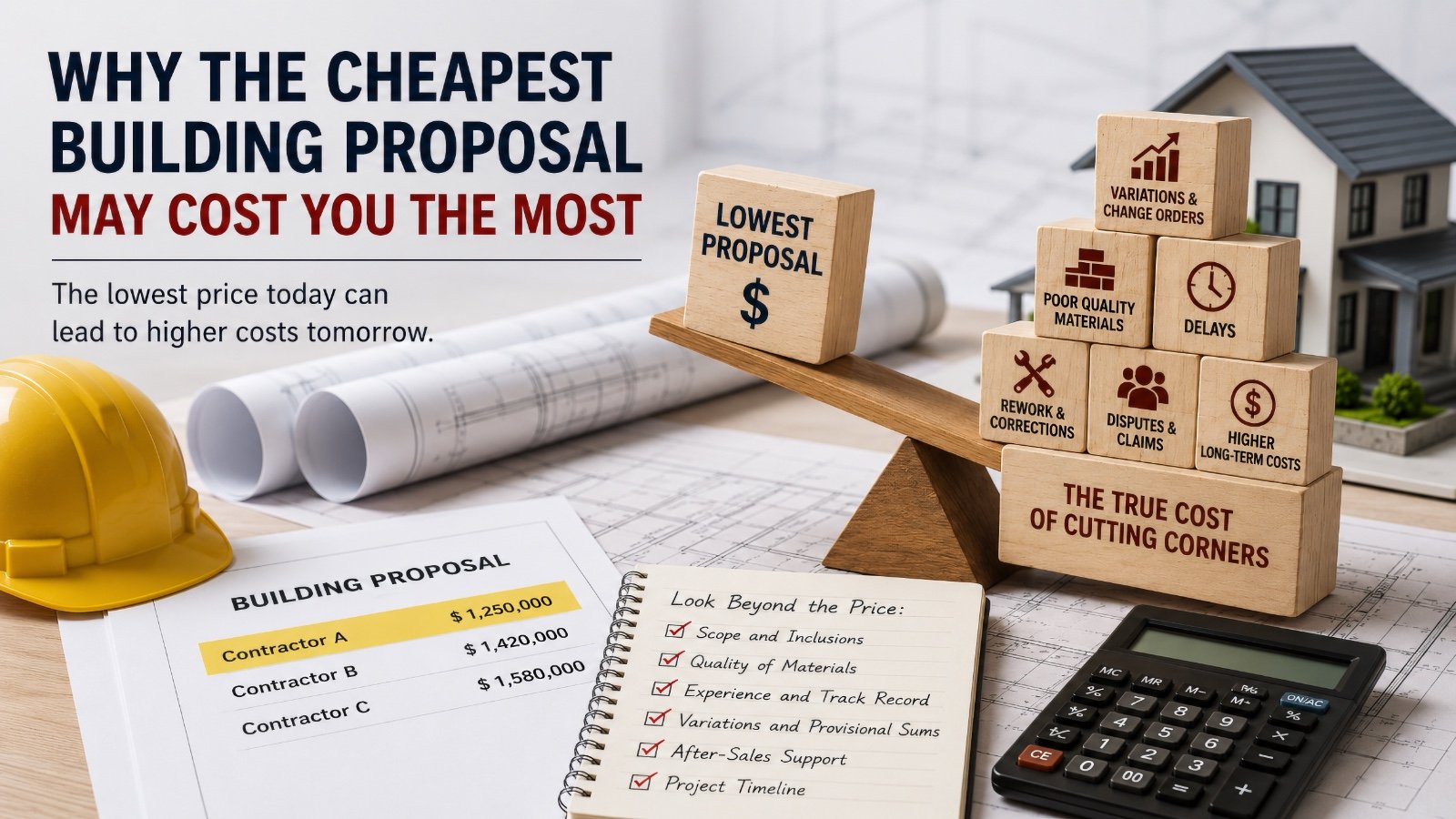
Many property owners naturally focus on construction costs when evaluating a project. Yet some of the most significant expenses are not found in the contractor's original quotation. They emerge later as delays, redesigns, change orders, disputes, rework, and missed opportunities—costs that could often have been avoided through better planning at the outset.
One common misconception is that project planning delays construction. In reality, thoughtful planning frequently accelerates project delivery by reducing uncertainty. A clear project brief, realistic budget, comprehensive design documentation, and well-defined project objectives help all participants move in the same direction from the very beginning.
Hidden Costs Begin With Inadequate Planning
Poor planning often begins with an incomplete understanding of project requirements. Homeowners and developers may focus on immediate needs without fully considering future operational requirements, maintenance implications, regulatory requirements, or long-term expansion possibilities. As construction progresses, these overlooked factors can lead to revisions that affect schedules and budgets.
The Cost of Poor Project Coordination
Another hidden cost arises from insufficient coordination among project participants. Architectural, structural, mechanical, electrical, and other building systems must work together as a coordinated whole. When this coordination is incomplete, conflicts may only become apparent during construction, when correcting them becomes significantly more expensive.
Aligning Budget Expectations With Project Goals
Budget planning deserves equal attention. In my experience, projects encounter difficulty not only because budgets are inadequate, but because expectations and budgets were never properly aligned. Effective planning requires an honest assessment of project priorities, available resources, and desired outcomes. Establishing these parameters early helps prevent difficult decisions later in the construction process.
Choosing the Right Project Delivery Method
The method used to deliver the project can also influence outcomes. Whether pursuing a traditional architect-led approach, Design-Build arrangement, or another procurement method, owners should carefully evaluate how decisions will be made, how quality will be monitored, and how their interests will be protected throughout the project lifecycle. No delivery method is inherently perfect; success depends largely on proper implementation and informed oversight.
The Human Cost of Poor Planning
Perhaps the most overlooked cost of poor planning is stress. Construction projects involve substantial financial commitments and emotional investment. Unanticipated changes, disputes, and delays can place significant pressure on owners and project teams alike. A well-planned project creates confidence and predictability, allowing stakeholders to focus on achieving successful outcomes rather than resolving preventable problems.
Planning as an Investment, Not an Expense
At RG Chan & Associates, we view planning as one of the most valuable investments a client can make. Our approach emphasizes careful evaluation of objectives, realistic budgeting, comprehensive documentation, and disciplined project management. These activities may not be as visible as the construction itself, but they often determine whether a project ultimately succeeds.
Final Thoughts
After more than four decades of professional practice, I have come to regard project planning not as a preliminary exercise, but as the foundation upon which every successful project is built. While good planning requires time and effort, the cost of inadequate planning is almost always greater.
As the saying goes, construction problems rarely begin on the construction site. More often, they begin with decisions that were never properly examined before construction started. The most effective way to control costs is not simply to build economically—it is to plan intelligently.