Understanding Architectural Fees: What You Are Really Paying For
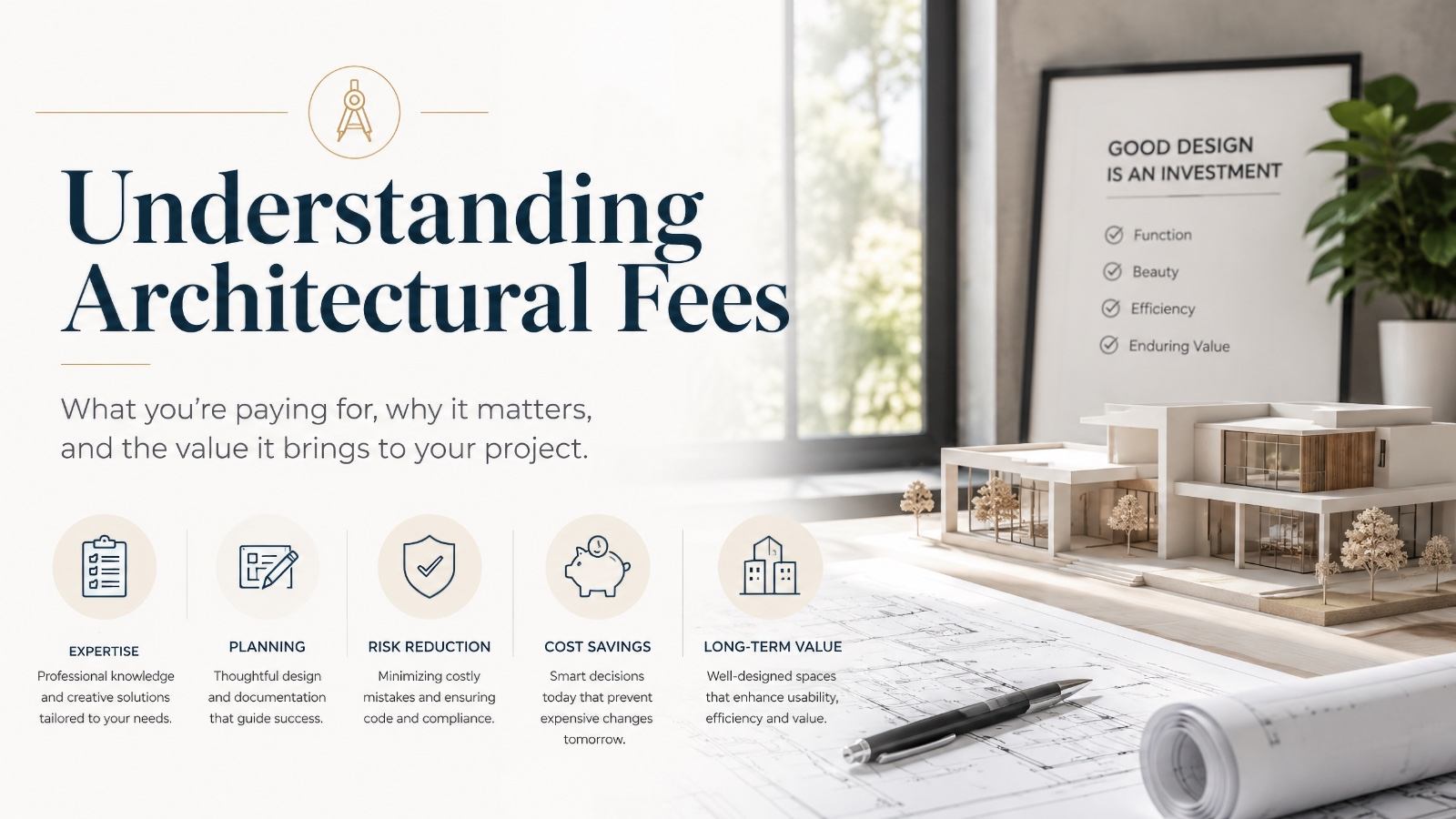
One of the first questions many property owners ask when planning a project is: "How much does an architect cost?"
It is an understandable concern. Whether building a residence, commercial development, institutional facility or mixed-use project, every owner must carefully manage costs and budgets.
However, an equally important question is: "What professional services am I receiving for that fee?"
Many people assume architectural fees are simply payment for plans and drawings. In reality, architectural services involve a much broader professional process. Under the Standards of Professional Practice (SPP) of the United Architects of the Philippines (UAP), architects provide services that extend well beyond design documents.
Understanding what architectural fees represent can help property owners appreciate the value that professional architectural services bring to a project.
Architecture Is More Than Drawings
The drawings produced for a project are only the visible outcome of extensive planning, analysis and coordination.
Before design work begins, an architect studies the client's objectives, evaluates site conditions, reviews applicable regulations and develops solutions that balance function, aesthetics, budget and long-term value.
Each project requires careful consideration of:
- Client goals
- Budget requirements
- Site opportunities and constraints
- Building regulations
- Structural and technical requirements
- Long-term functionality and maintenance
The architect's role is to bring these factors together into a practical and buildable solution.
Standards of Professional Practice
The UAP Standards of Professional Practice recognize a wide range of architectural services that may be required throughout the life of a project.
These services may include:
- Consultation and project definition
- Schematic design
- Design development
- Preparation of contract documents
- Assistance during bidding and negotiations
- Construction phase services
- Planning and feasibility studies
- Project coordination and management
Not every project requires every service, but each contributes to reducing risk and improving project outcomes.
The Value of Early Planning
Many costly construction problems originate long before construction begins.
Incomplete planning, inadequate documentation and poor coordination often result in delays, change orders, budget overruns and disputes during construction.
Professional architectural services help identify potential issues early, when they are far less expensive to resolve.
A design decision made during planning may save significant costs during construction and throughout the life of the building.
For this reason, professional services should be viewed not only as a design expense, but also as a tool for managing risk.
In many projects, a single design decision made during planning can affect construction costs, maintenance requirements, energy consumption, and future adaptability for decades. Decisions evaluated on paper are significantly less expensive than corrections made after construction has begun
Paying for Professional Judgment
Architectural fees compensate more than the time required to prepare drawings.
They also reflect years of education, professional training, practical experience and informed judgment.
Every project benefits from decisions based on technical knowledge and real-world experience. Clients are not simply purchasing plans; they are engaging a professional who can help navigate a complex process and make informed decisions.
This guidance often proves valuable long after construction is complete.
Experienced architects draw upon lessons learned from previous projects, industry standards, building regulations, and coordination with specialized consultants. This accumulated knowledge helps owners avoid common mistakes and evaluate alternatives with greater confidence.
Looking Beyond the Lowest Fee
Property owners naturally compare professional fees when evaluating services. While cost is an important consideration, selecting professional services solely on the basis of the lowest fee may not always provide the best value.
The true measure of value lies in the contribution that professional services make to the success of a project.
An architect who helps avoid costly mistakes, improve functionality, coordinate consultants effectively and protect the client's interests may provide benefits that far exceed the initial professional fee.
An Investment in Better Outcomes
Every successful project begins with informed decisions.
Architectural services provide the planning, coordination and professional guidance needed to transform ideas into functional, enduring and meaningful spaces.
When viewed in this context, architectural fees are not simply a project cost. They are an investment in better decisions, reduced risk and long-term value.
Understanding what those fees represent is often the first step toward understanding the true value of architecture itself.
The most successful building projects are rarely defined by how little was spent on professional services. More often, they are defined by the quality of decisions made before construction begins. Architectural fees are not merely compensation for drawings; they are an investment in planning, judgment, coordination, and the long-term success of a project.